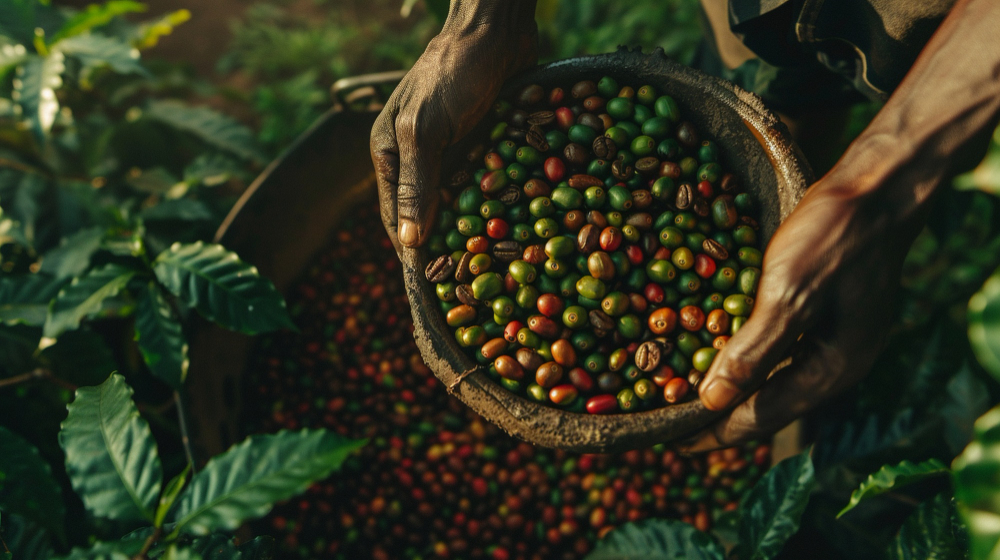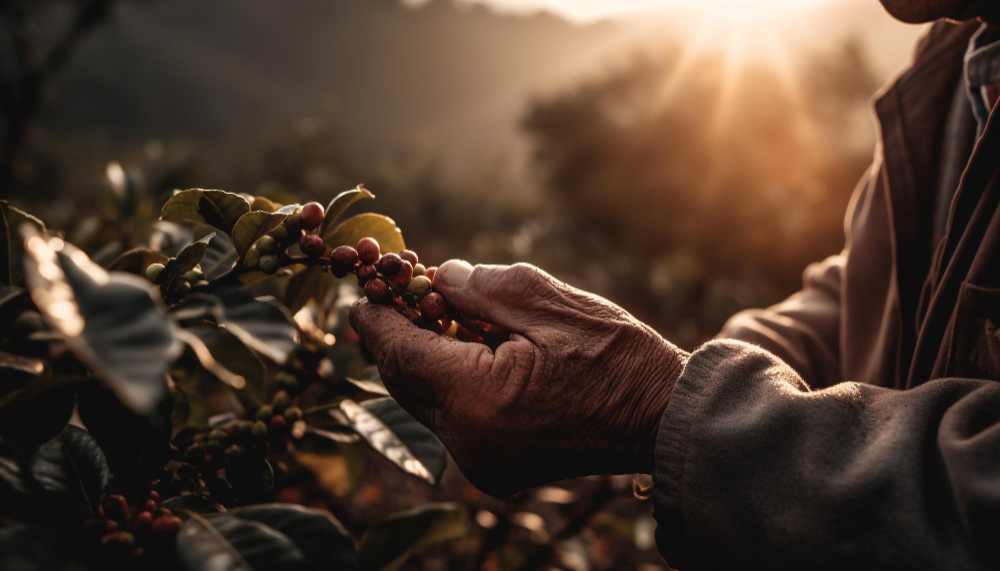
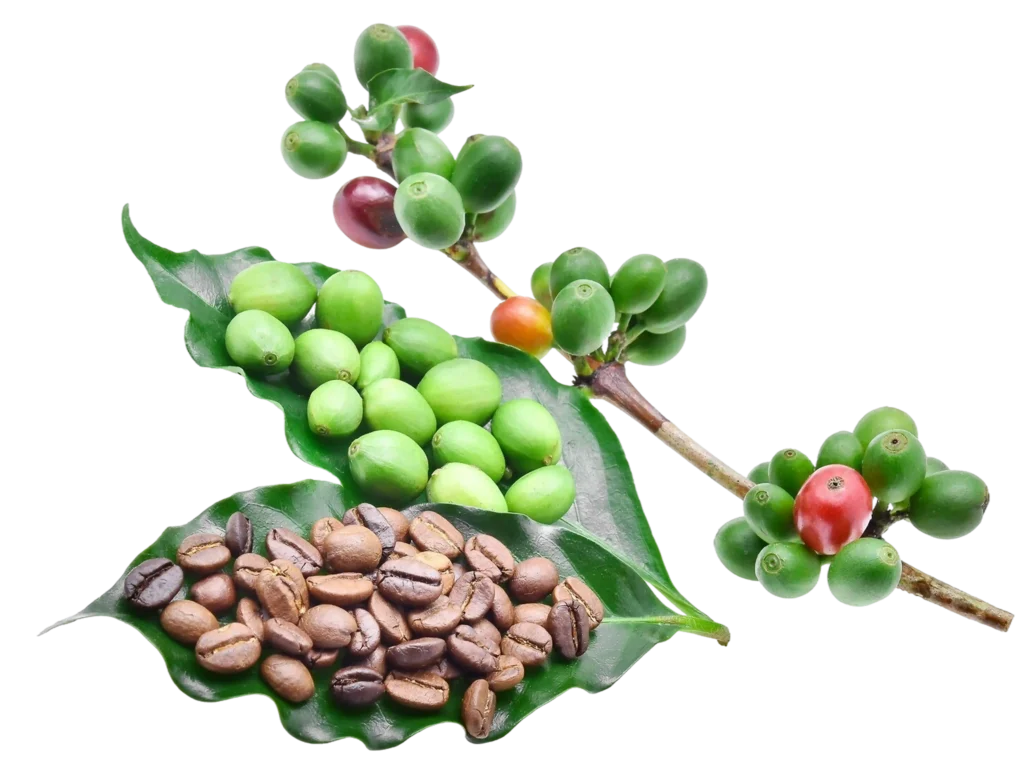
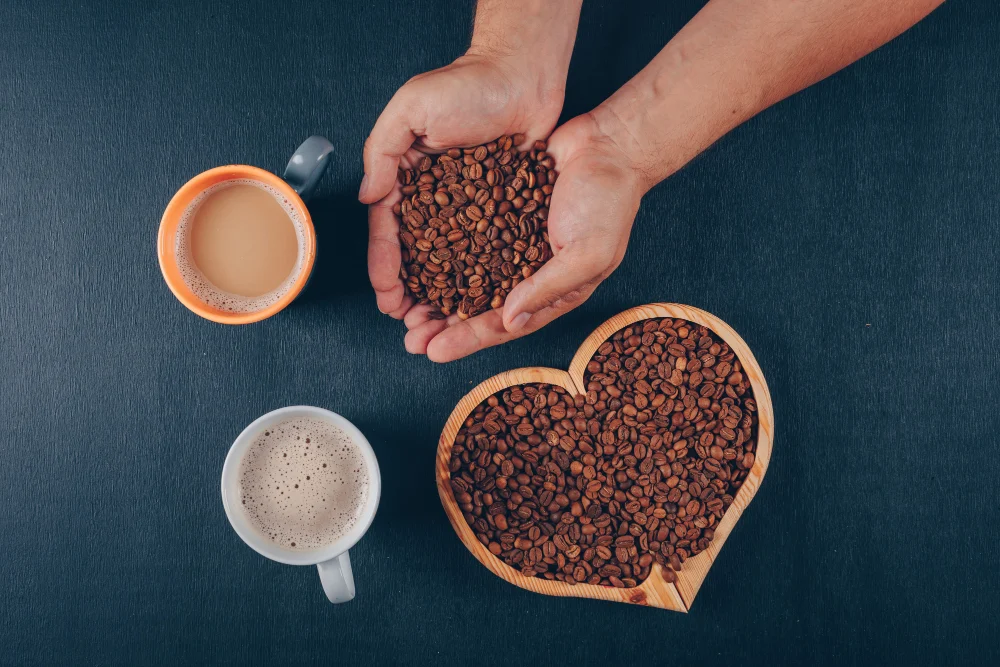
Is drinking organic coffee a healthier choice? There is a growing awareness about health, and many coffee lovers consider organic coffee as a safe and healthier option. Organic coffee is grown without using harmful chemicals and pesticides, which benefits the environment and coffee lovers.
Though organic coffee has many advantages, factors like bean quality, roasting methods, and storage practices can affect the overall impact and health benefits. In this blog, let us understand what makes organic coffee healthy and discuss why it is not always a healthy choice.
What makes organic coffee healthy?
Organic coffee cultivated without the use of pesticides and chemicals provides various benefits to health and the environment. It has essential nutrients such as potassium and magnesium needed for our bodies.
No harmful chemicals
One of the major benefits of using organic coffee is that it is free from chemicals. By drinking organic coffee, you can reduce your exposure to harmful chemicals and be safe. It is very important to maintain overall health.
Sustainable and eco-friendly
Organic coffee farming focuses on preserving soil health, protecting water resources, and biodiversity. If you are buying organic coffee, you are contributing to sustainable agriculture that benefits both the planet and future generations.
Farmers also practice crop rotation and traditional methods like natural composting that improve the coffee bean quality.
High antioxidant content.
Coffee is rich in natural antioxidants that combat harmful free radicals in the body. Coffee beans grown without synthetic chemicals have higher levels of natural antioxidants like chlorogenic acid. Such compounds in coffee reduce inflammation, improve heart health, and lower the risk of certain diseases.
Support digestion
For some individuals, organic coffee is easier on the stomach compared to other options. The absence of chemical residues in organic coffee reduces irritation and acid reflux, making it a good choice for people with sensitive digestive systems.
Maximizing coffee health benefits
When organic coffee is consumed as black coffee, it provides the maximum health benefits. Black coffee can boost metabolism and help in weight management. It provides energy and improves mental alertness. Also, it reduces the risk of type 2 diabetes and certain liver diseases.
Why is organic coffee not the healthiest?
Despite having many advantages, organic coffee does not guarantee health and safety. Here, let us understand why organic coffee is not the healthiest option.
Coffee quality is not guaranteed
Organic coffee certification does not guarantee that the beans have that top quality. Certain factors like uniformity, moisture content, aroma, and flavor may not come with an organic coffee label. Sometimes, even organic coffee can be lower grade, which can impact both taste and health benefits.
Organic coffee may contain mold and mycotoxins
Organic coffee can contain mold if such beans are improperly processed or stored. Mycotoxins produced by mold may cause health issues like fatigue, liver, or kidney problems. So it is always important to check the safety certifications to ensure that the coffee is safe to drink.
Improper roasting can reduce safety
Organic beans roasted at high temperatures can produce harmful compounds like acrylamide. Such chemical compounds can impact the nervous system and increase the risk of chronic diseases. Premium coffee brands focus on small batch roasting to evenly roast the coffee bean, preserve antioxidants, and minimize the harmful byproducts.
Limited lab testing
Organic certification does not guarantee lab testing for contaminants in coffee beans. Roasting does not significantly remove pesticide residues, so always choose coffee from trusted suppliers who ensure safety and quality. Therefore, choosing coffee beans from trusted suppliers who conduct lab testing is essential.
How to make organic coffee healthier?
To benefit from your organic coffee, you can consider these tips while brewing coffee.
- It is best to drink coffee in moderation and to limit your coffee intake to 2 or 3 cups per day.
- Choose black coffee and avoid added sugar or cream to get maximum health benefits.
- While buying coffee, select trusted suppliers like AMG coffee exporters who prioritize quality and safety.
- Check for third-party certification to make sure that your coffee is free from mold and mycotoxins.
- Know about the roasting methods, like controlled, small batch roasting that preserves the antioxidants and reduces the harmful byproducts.
Conclusion
If the question is whether organic coffee is better for health, the answer is both yes and no. Organic coffee is a cleaner, eco-friendly choice that preserves the antioxidants and reduces exposure to harmful chemicals. However, organic coffee certification may not be the healthiest option as the coffee quality, roasting method, and testing, etc, play a major role in making it a safer option.
To get a quality cup of coffee, you must focus on buying quality beans that are roasted properly. Moreover, mindful consumption of coffee is also important. Purchasing coffee from major exporters helps you to get maximum black coffee benefits while supporting sustainable and eco-friendly practices.