
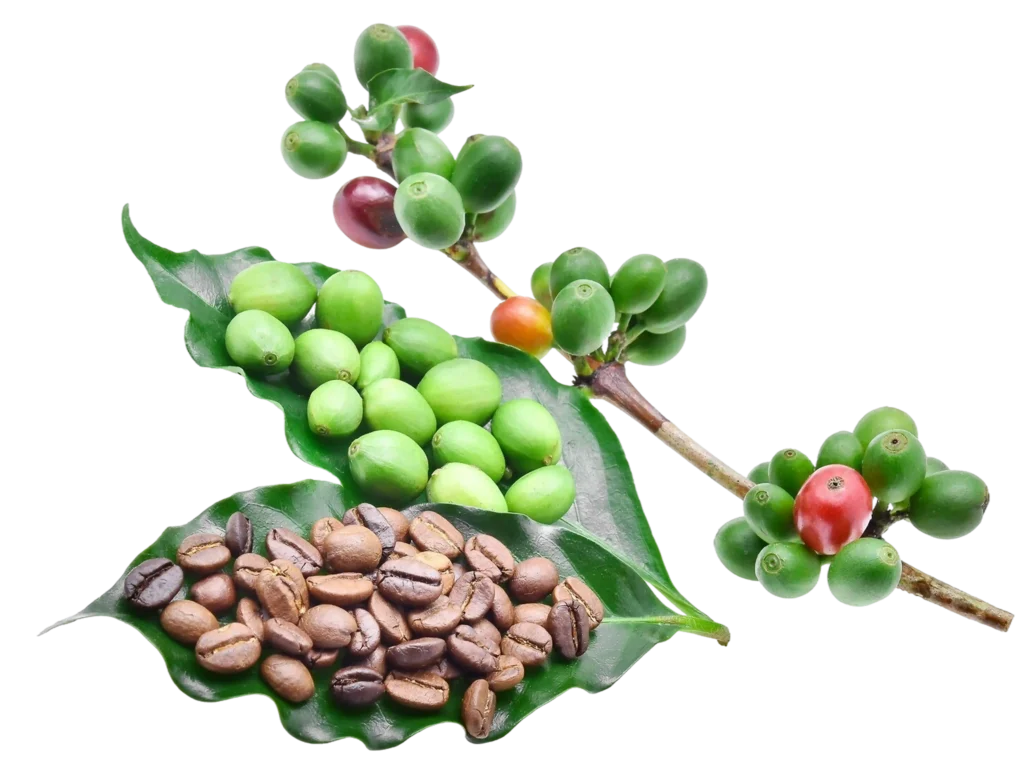

Do you know that your daily cup of coffee can help your body fight inflammation? Ethiopian coffee reduces inflammation, as it has many bioactive compounds with anti-inflammatory properties. In this blog, let us understand how coffee helps to reduce inflammation.
What Is Inflammation?
So, first, let us understand more about inflammation. It is the natural defense mechanism of our body in response to injury or infection. If your immune system detects a problem, it starts to release chemicals to remove the damaged cells for healing.
Mainly, there are two types of inflammation. One is acute inflammation, and the other is chronic inflammation. Acute inflammation is a short-term, helpful response of the body that is essential for healing after infections or injuries.
Chronic inflammation is a prolonged immune response that may damage the healthy cells of your body and contribute to long-term diseases such as diabetes, arthritis, heart disease, and some cancers.
While acute inflammation is somewhat protective in nature, chronic inflammation can silently harm your body over time. Anti-inflammatory foods and beverages like coffee can help manage the inflammation in your body.
What makes coffee anti-inflammatory?
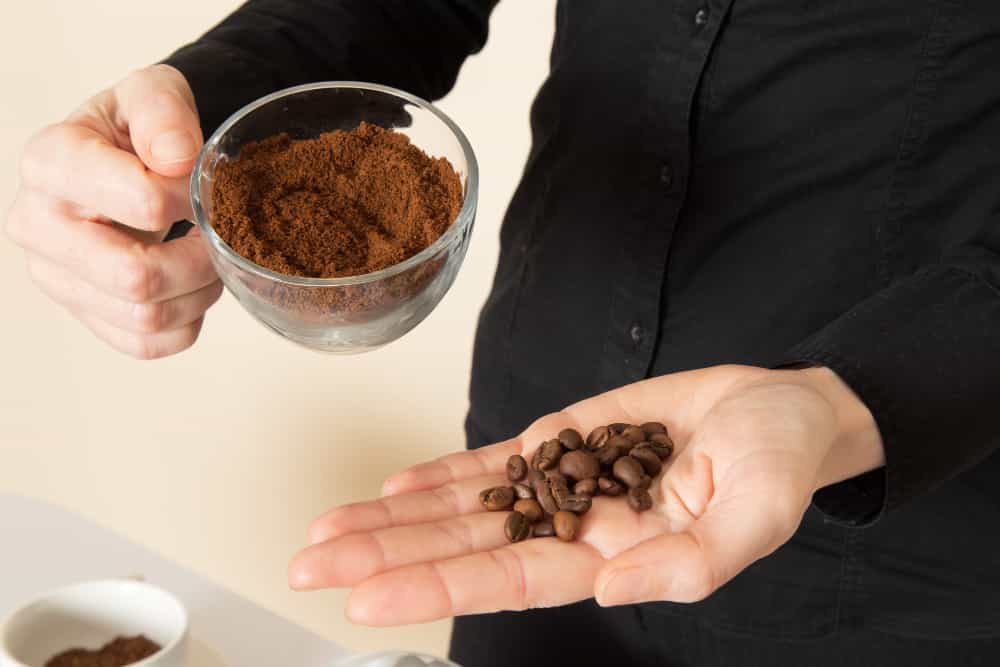
Research shows that coffee reduces inflammation, as it contains many antioxidants and bioactive compounds. These compounds can neutralize the free radicals, suppress pro-inflammatory chemicals, and protect cells from oxidative damage. The major anti-inflammatory compounds present in coffee include:
- Antioxidants: Coffee is a beverage that is rich in antioxidants that protect against oxidative stress, which triggers inflammation.
- Fatty acids and melanoidins: These are formed during roasting coffee beans, which can protect your gut and liver health.
- Caffeine: It is a stimulant that has mild inflammatory effects that block adenosine receptors, which promotes inflammation.
- Cafestol and Kahweol: These coffee oils help to modulate the body’s inflammatory pathways and support the detoxification process.
- Chlorogenic acid: This is one of the most important antioxidants in coffee that helps to reduce oxidative stress and inflammatory cytokines.
All of these compounds present in coffee help to reduce inflammation in your body. Furthermore, the presence of polyphenols and melanoids enhances the ability of coffee to fight against inflammation.
How does Ethiopian coffee reduce inflammation?
Ethiopian coffee is different from coffee from other geographical origins because it is high-quality Arabica beans cultivated at high altitudes in a nutrient-rich soil. The climate conditions of Ethiopia help the coffee farmers to produce beans with high concentrations of chlorogenic acids, polyphenols, and antioxidants. These powerful compounds help coffee reduce inflammation, making Ethiopian coffee one of the healthiest brews in the world.
- High antioxidant content: Ethiopian coffee beans have antioxidants that reduce oxidative stress, which leads to inflammation.
- Natural and chemical-free farming: Many Ethiopian coffee farms still primarily depend on traditional and organic cultivation methods. This ensures that the coffee beans have natural nutrient-rich properties that are free from pesticide residues that trigger inflammation.
- Bioactive compounds: The traditional drying and roasting methods used by Ethiopian farmers help to preserve the natural integrity of the bioactive compounds. Ethiopian coffee exporters also prioritise quality preservation, ensuring coffee beans retain the health-promoting nutrients during processing and shipping.
- Unique varieties: Ethiopia is home to hundreds of different indigenous coffee varieties. These native Arabica coffee varieties contain higher levels of chlorogenic acid and other beneficial compounds compared to mass-produced coffee.
Practices to reduce inflammation with coffee
While coffee reduces inflammation, how you drink this beverage matters a lot. So, for maximising the anti-inflammatory potential of coffee, consider these tips.
Select high-quality Ethiopian Coffee
The quality of your coffee greatly influences the health benefits. Ethiopian coffee, grown at high latitudes and in nutrient-rich, fertile soil, helps to fight against inflammation. So it is important to choose freshly roasted beans from a trusted exporter. Also, avoid instant coffee or heavily processed blends, as they can lose the natural antioxidant content.
Moderate intake
Moderate consumption of caffeine can enhance your body’s defence mechanism. However, excessive caffeine intake may have the opposite effect as it can lead to restlessness, dehydration, or sleep disruption. Generally, experts recommend 2 to 4 cups per day, depending on your caffeine tolerance and overall health. Drinking coffee in balanced amounts allows you to enjoy its energising effects while supporting inflammation control.
Avoid excess sugar
One of the major mistakes coffee lovers make is turning the healthy drink sugary. Sweeteners, flavoured syrups, and heavy creams can increase the inflammation, and you won’t get the benefits of drinking coffee. For preserving the anti-inflammatory properties of coffee, drink black coffee or use minimal sweeteners. If you want to add flavor, try adding cinnamon, cocoa, or cardamom.
Balance with a healthy diet
You have to eat healthy and balanced meals to enhance the health benefits of coffee. Consider having an anti-inflammatory diet and include fruits, vegetables, whole grains, proteins, and healthy fats.
Listen to your body
Some people feel energized and focused after drinking coffee, while others might experience digestive sensitivity. If you notice fatigue or discomfort after having coffee, reduce your coffee intake. Always remember that moderation and mindfulness are important to get coffee health benefits.
Conclusion
Regular consumption of Ethiopian coffee reduce inflammation due to its high antioxidant levels and naturally occurring bioactive compounds. It helps suppress inflammatory pathways, protect against oxidative stress, and support overall wellness. Though coffee helps to reduce inflammation for most people, individual responses may vary. Factors such as genetics, caffeine sensitivity, and diet influence its effects. Consumption of coffee in moderation, 2 or 4 cups per day, and maintaining a balanced, nutrient-rich diet will help you to maximize its anti-inflammatory benefits.