
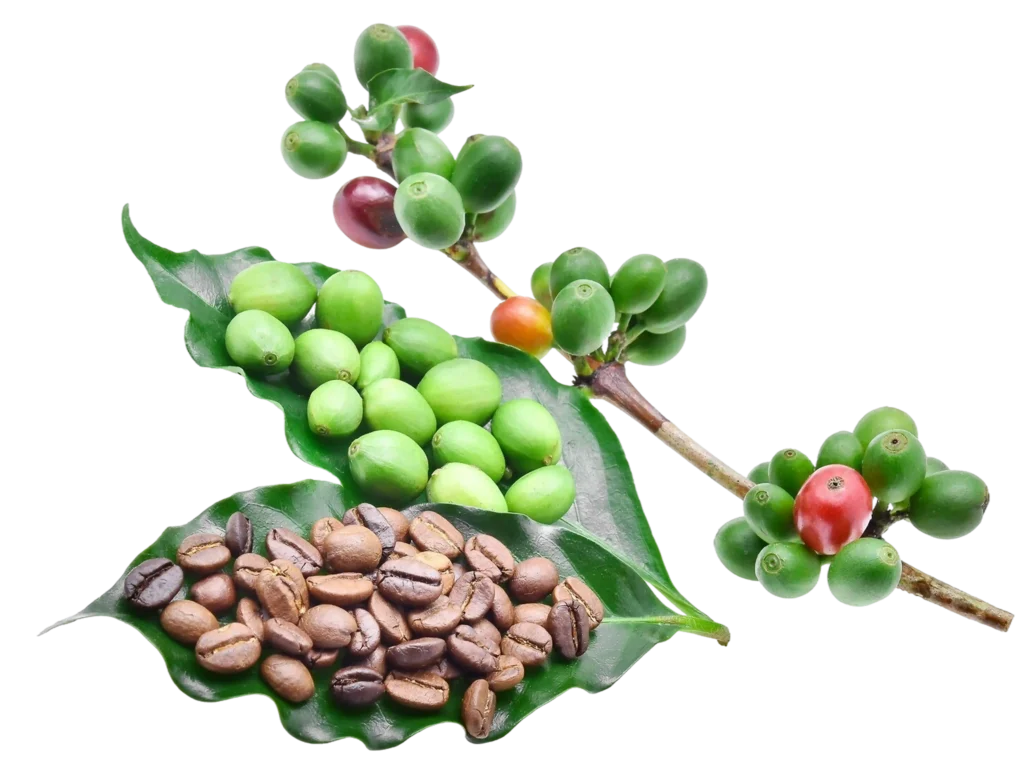

Many coffee buyers prefer working directly with an Ethiopian coffee export company rather than using a buying agent. Agents often increase costs and reduce transparency. Direct sourcing from Ethiopian coffee exporters gives buyers better control over pricing, quality, and communication. Buyers working with a coffee exporter from Ethiopia typically seek better pricing, quality control, and transparency. This guide explains how coffee export from Ethiopia works and how to contact exporters safely for bulk orders.
How Coffee Export From Ethiopia Is Regulated and Managed
Coffee export from Ethiopia follows a regulated system designed to protect quality and ensure legal international trade. Not every supplier or trader can export coffee. Only licensed coffee export companies are allowed to ship coffee beans internationally.
The Ethiopia coffee export system involves several stages. Coffee is produced by farmers, collected through cooperatives or suppliers, processed at washing or dry mills, graded, and then sold by licensed exporters. These exporters handle contracts, documentation, and shipping.
The system is supervised by Ethiopian Coffee and Tea Authority which ensures export standards, grading rules, and compliance. This structure helps buyers verify exporters and reduces the risk of illegal or low quality shipments.
Understanding this system is essential before contacting any coffee exporter from Ethiopia.
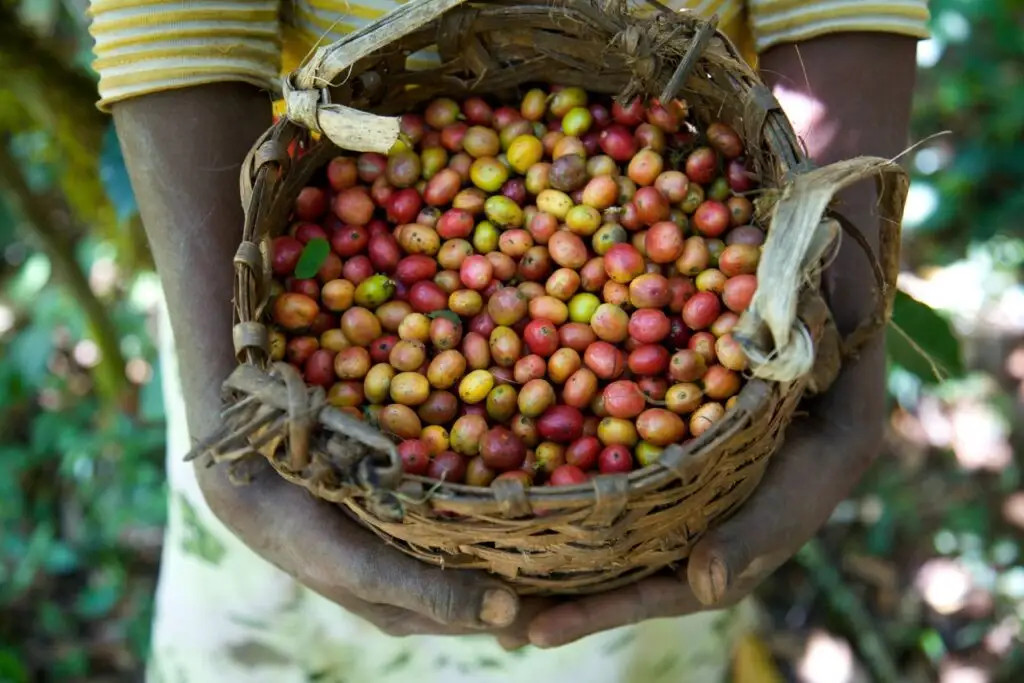
Who Are Ethiopian Coffee Exporters
Licensed Coffee Export Companies in Ethiopia
Licensed coffee export companies in Ethiopia are businesses officially approved to export coffee beans. They manage sourcing, processing, grading, packaging, and international shipping.
A legitimate coffee export company in Ethiopia usually provides:
- Valid export license
- Company registration documents
- Coffee samples and grading details
- Export documentation support
These exporters are suitable for bulk buyers and long term supply agreements. Working with licensed coffee export companies reduces risk and ensures legal coffee bean export.
Cooperative vs Private Coffee Exporters
Ethiopian coffee exporters fall into two main categories.
Cooperative exporters
These exporters represent groups of farmers. They focus on traceable origin coffee and farmer level transparency. Cooperatives are suitable for buyers interested in ethical sourcing and specific regional profiles.
Private coffee exporters
Private exporters operate as independent businesses. They handle larger volumes, multiple coffee types, and regular shipments. They are often preferred by buyers seeking consistent supply and flexible logistics.
Choosing between cooperative and private exporters depends on volume needs, consistency requirements, and business goals.
Why Buyers Choose to Avoid Buying Agents
Many buyers choose direct contact with Ethiopian coffee exporters to reduce costs and improve transparency. Buying agents usually add commissions, which increases Ethiopian coffee export prices.
Other reasons buyers avoid agents include limited control over supplier selection, slower communication, and lack of clarity about the actual exporter. Direct sourcing allows buyers to negotiate directly with the coffee exporter, understand pricing structures, and build long term partnerships.
For bulk buyers, direct relationships often result in better pricing stability and quality consistency.
How to Contact Ethiopian Coffee Exporters Safely and Directly
Government and Official Exporter Directories
Official exporter directories are one of the safest ways to find legitimate coffee export companies. These directories list licensed exporters and reduce the risk of fraud.
Buyers should:
- Verify exporter registration
- Confirm license validity
- Match company name with banking details
This step is critical when contacting Ethiopian coffee exporters for bulk orders.
International Coffee Trade Platforms
Many coffee export companies list their services on international business platforms. These platforms allow buyers to discover exporters and request quotations.
When using these platforms, buyers should:
- Ask for export license proof
- Request recent shipment references
- Confirm experience with bulk coffee export
Avoid suppliers who refuse verification or provide unclear answers.
Trade Fairs and Coffee Exhibitions
Trade fairs and coffee exhibitions allow buyers to meet exporters directly. These events help buyers evaluate samples, discuss volumes, and understand pricing expectations.
Preparation improves results:
- Know your target volume
- Understand coffee grades
- Prepare key questions in advance
Exporters who attend these events are usually serious and established.
Contacting Exporters Through Ethiopian Cooperatives
Some cooperatives export directly or work with licensed exporters. This route suits buyers focused on traceability and origin specific sourcing.
Buyers should clarify:
- Minimum order quantity
- Processing capacity
- Delivery timelines
What Questions to Ask Ethiopian Coffee Exporters Before Bulk Orders
Pricing and Minimum Order Questions
Ethiopian coffee export prices depend on grade, processing method, and order size. Buyers should ask clear pricing questions early.
Important questions include:
- Minimum order quantity
- Price terms
- Sample availability and cost
- Payment terms
Clear pricing discussions prevent disputes later.
Quality, Origin, and Traceability
Quality varies across regions and processing methods. Buyers should request detailed product information.
Ask about:
- Coffee grade and screen size
- Processing method
- Harvest season
- Traceability options
This ensures the coffee meets market expectations.
Export Documentation and Compliance
Proper documentation is essential for international coffee export.
Exporters should provide:
- Export license
- Phytosanitary certificate
- Certificate of origin
- Commercial invoice and packing list
Experienced exporters handle documentation smoothly.
How Bulk Coffee Export From Ethiopia Works
Bulk coffee export follows a structured process. After sample approval and price agreement, the exporter prepares a contract. Coffee is processed, graded, packed, and prepared for shipment.
The typical process includes:
- Sample approval
- Price confirmation
- Contract signing
- Processing and grading
- Packaging and shipment
Understanding this process helps buyers plan inventory and timelines.
Common Mistakes Buyers Make When Contacting Exporters
Many buyers face issues due to avoidable mistakes.
Common mistakes include:
- Contacting unlicensed suppliers
- Skipping sample evaluation
- Paying before verification
- Choosing exporters based only on low price
Clear communication and verification reduce these risks.
How to Choose the Right Coffee Exporter from Ethiopia for Bulk Orders
Choosing the right coffee exporter from Ethiopia for bulk orders starts with proper verification. Licensed and experienced exporters reduce the risk of fraud, payment issues, and shipment delays. Buyers should request export license copies, confirm company registration, verify official bank details, and ask for references from previous buyers. Reliable exporters are transparent in communication and responsive throughout the sourcing and export process.
Are Ethiopian Coffee Exporters Suitable for Small vs Large Buyers
Most Ethiopian coffee exporters focus on bulk orders. Minimum volumes vary by exporter and coffee type.
Large buyers benefit from stable supply and pricing. Small buyers may face challenges meeting minimum quantities and may need cooperative exports or consolidated shipments.
Understanding exporter expectations helps buyers choose the right sourcing strategy.
Frequently Asked Questions
How can I find Ethiopian coffee exporters for bulk orders
You can use official exporter directories, international trade platforms, and coffee trade exhibitions to identify licensed exporters.
Is it safe to buy coffee directly from Ethiopia without an agent
Yes. It is safe when you work only with licensed and properly verified Ethiopian coffee exporters.
What is the minimum order quantity for Ethiopian coffee exporters
Minimum order quantity varies depending on the exporter and the type of coffee being purchased.
How much does coffee export from Ethiopia cost
Coffee export prices depend on the coffee grade, order volume, processing method, and shipping terms.
Do Ethiopian coffee exporters ship internationally
Yes. Licensed Ethiopian coffee exporters ship coffee to multiple international markets.
How long does coffee export from Ethiopia take
Export timelines depend on processing time, documentation, and shipping arrangements.
What documents are required for coffee export from Ethiopia
Export license, phytosanitary certificate, certificate of origin, and shipping documents are required.
Who is the biggest coffee exporter in Ethiopia
There are several large coffee export companies operating at scale rather than one single largest exporter.
Can small businesses import coffee directly from Ethiopia
Yes. Small businesses can import directly if they meet the exporter’s minimum order requirements.
How do I avoid fraud when contacting coffee exporters
Always verify export licenses, check references, confirm bank details, and avoid unrealistic pricing.
Building Direct Relationships With Ethiopian Coffee Export Companies
Working directly with Ethiopian coffee exporters without a buying agent is achievable with the right knowledge and preparation. Understanding how coffee export from Ethiopia works, verifying licensed coffee export companies, and asking the right questions before bulk orders helps buyers reduce costs and improve control. Direct relationships with reliable coffee exporters support transparency, quality consistency, and long term success in the coffee export business.
Partner With a Trusted Ethiopian Coffee Exporter
For buyers looking to build reliable direct sourcing relationships, AMG Coffee Export offers a proven and transparent option. Based in Addis Ababa and established in 2011, AMG Coffee Export is a certified export company with over 13 years of experience supplying premium organic Ethiopian coffee to buyers across Europe, the USA, Asia, and Arab countries. With strong control over sourcing, quality checks, and export documentation, AMG supports buyers who want consistency, traceability, and long-term reliability without relying on intermediaries.