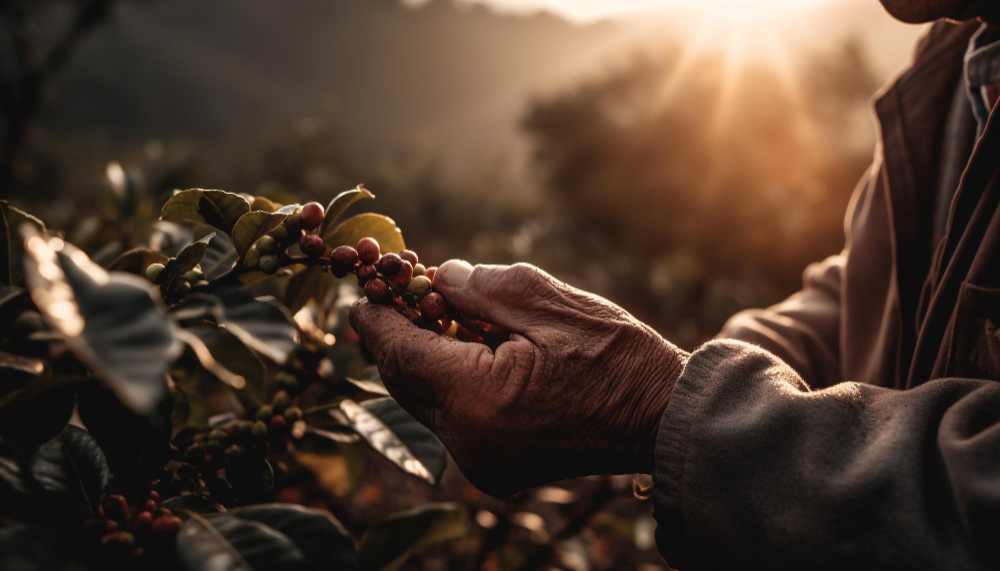
Coffee harvesting is one of the most important stages in coffee production. The timing of the harvest directly affects the flavour, aroma, and overall quality of the coffee beans. Picking coffee cherries at the right stage of ripeness ensures that the beans develop their full taste potential during processing and roasting.
For generations, Ethiopian coffee farmers have relied on their experience and close observation of coffee plants to determine the perfect harvesting time. Their traditional knowledge, combined with careful hand-picking techniques, plays a significant role in maintaining the global reputation of Ethiopian coffee.
Why Harvest Timing Matters in Coffee Production
Harvesting coffee beans at the correct time is essential for producing high-quality coffee. If cherries are picked too early, the beans inside may not be fully developed. This can result in coffee that tastes sour or lacks depth in flavour. On the other hand, if the cherries are left on the plant for too long, they may become overripe and begin to ferment, which can negatively affect the taste.
Experienced Ethiopian coffee farmers carefully monitor their crops during the harvest season to ensure that only properly ripened cherries are collected. This attention to detail helps maintain the distinctive flavour profiles that Ethiopian coffee is known for worldwide.
Visual Signs That Coffee Beans Are Ready to Pick
Farmers rely on several visual and physical indicators to determine when coffee cherries are ready for harvesting.
Cherry Colour
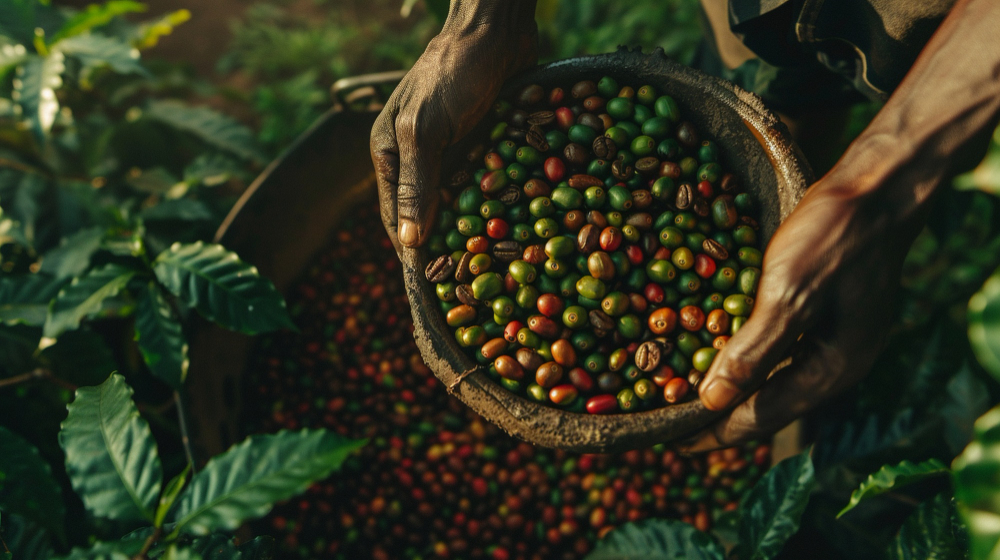
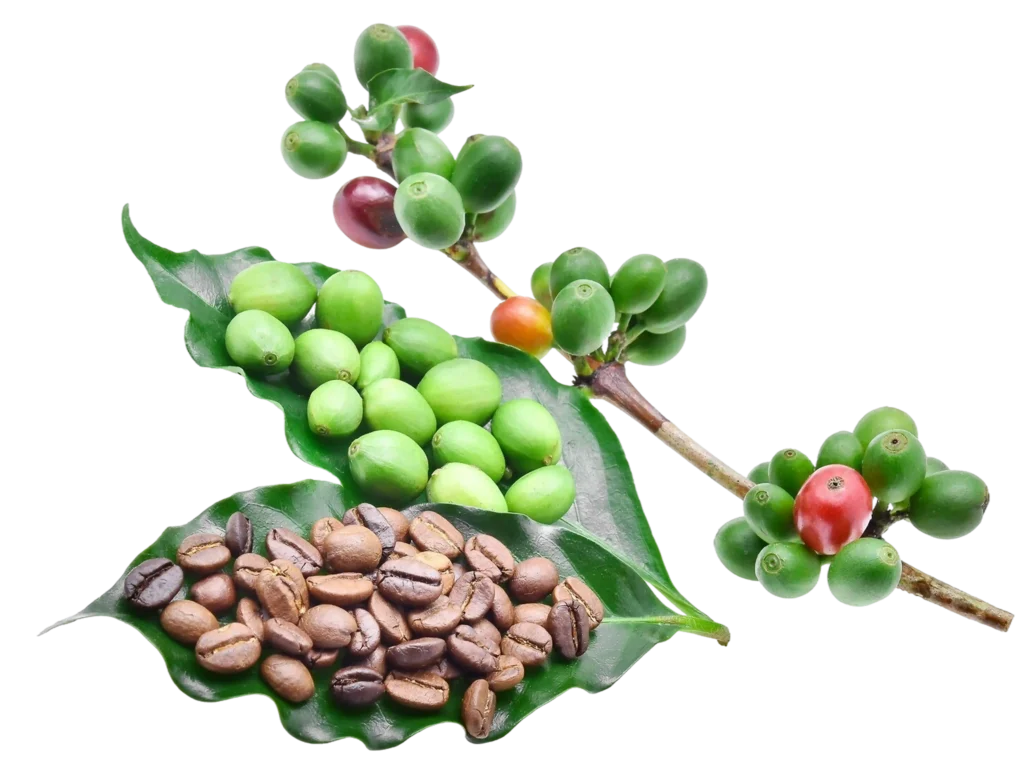
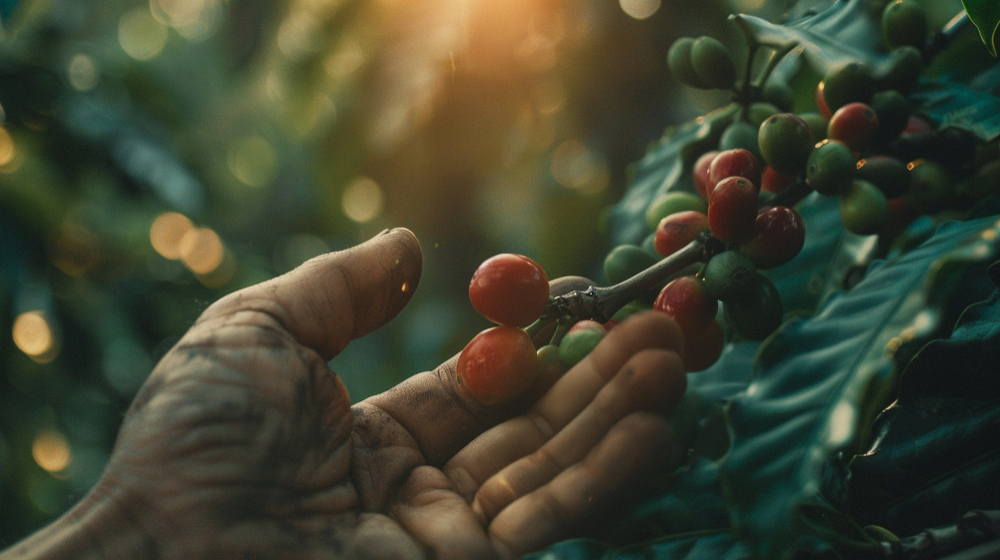
One of the most reliable indicators of ripeness is the colour of the coffee cherry. As the fruit matures, it gradually changes from green to a bright red colour. Fully ripe cherries are typically deep red and slightly glossy. Green cherries are immature and should remain on the plant until they ripen.
Firmness and Texture
Ripe coffee cherries feel firm but slightly soft when gently pressed. This texture indicates that the beans inside have developed properly. Overripe cherries may feel too soft, wrinkled, or even begin to fall off the plant.
Size and Shape
Coffee cherries reach their full size before they are ready for harvest. Farmers observe the size and shape of the fruit to ensure it has fully matured before picking. Well-developed cherries usually produce higher-quality beans.
Traditional Knowledge of Ethiopian Coffee Farmers
Coffee cultivation has been part of Ethiopia’s culture and economy for centuries. Many coffee farmers in Ethiopia rely on traditional farming knowledge passed down through generations. This experience allows them to identify subtle changes in the coffee plant and determine the best time to harvest.
Unlike large-scale mechanised farming in some regions, Ethiopian coffee is typically harvested by hand. Selective hand-picking ensures that only the ripest cherries are collected, while unripe ones are left to mature further. This careful process helps preserve the high quality that Ethiopian coffee is known for.
Harvesting Methods Used in Ethiopia
Harvesting coffee in Ethiopia often involves labour-intensive techniques designed to protect the quality of the beans.
Selective Picking
Selective picking is the most common harvesting method used by coffee farmers in Ethiopia. In this process, farmers pick only the fully ripe cherries from the plant. Since not all cherries ripen at the same time, this method requires patience and attention to detail.
Selective harvesting ensures that only high-quality cherries are processed, which leads to better flavour and consistency in the final coffee product.
Multiple Harvest Rounds
Because coffee cherries ripen gradually, farmers return to the same plants several times during the harvest season. Each round allows them to collect newly ripened cherries while leaving others to mature. This process helps maintain consistent quality across the harvest.
How Proper Harvesting Affects the Ethiopian Coffee Market
The reputation of the Ethiopian coffee market is closely linked to the quality of the beans produced by farmers. Proper harvesting practices ensure that only the best cherries are processed and exported.
High-quality beans are highly valued by international buyers and speciality coffee roasters. When farmers harvest at the correct time, it improves the overall quality of Ethiopian coffee and strengthens its position in the global coffee industry. This reputation allows Ethiopian coffee to remain one of the most sought-after varieties in the world.
Role of Coffee Exporters in Maintaining Quality
After harvesting and processing, coffee beans move through several stages before reaching international markets. Exporters play a crucial role in maintaining quality during this process.
A reliable Ethiopian coffee exporter works closely with farmers and processing facilities to ensure that beans meet international quality standards. Proper grading, sorting, and packaging help preserve the flavour and integrity of the coffee before it is shipped to buyers around the world.
Challenges Farmers Face During Harvest
Despite their expertise, coffee farmers face several challenges during the harvest season. Weather conditions can influence how quickly cherries ripen, making it difficult to predict the exact harvesting period.
Harvesting coffee by hand is also labour-intensive and requires a significant workforce. In addition, farmers must carefully manage large plantations while maintaining quality standards throughout the harvest.
Even with these challenges, coffee farmers in Ethiopia continue to follow traditional harvesting methods that prioritise quality over speed.
Conclusion
Knowing the right time to harvest coffee cherries is essential for producing high-quality coffee. Careful observation of colour, texture, and size helps farmers identify when beans are ready to pick.
The experience and dedication of Ethiopian coffee farmers play a key role in preserving the rich flavours and unique characteristics of Ethiopian coffee. Their careful harvesting practices support the reputation of the Ethiopian coffee market and ensure that coffee lovers around the world continue to enjoy some of the finest beans available.