

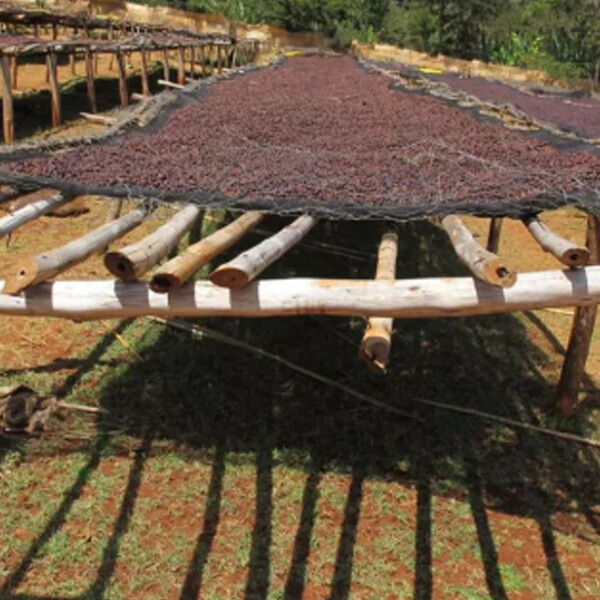
Coffee plays a vital role in Ethiopia’s economy and is recognized worldwide for its exceptional Arabica beans. As the coffee industry continues to grow, farmers and producers are adopting modern technology to improve farming practices, processing methods, and coffee quality.
Digital tools are helping Ethiopian coffee farmers work more efficiently and reach more buyers around the world. These innovations improve productivity, enhance coffee quality, and increase the visibility of Ethiopian coffee in global markets.
How Digital Technology Is Transforming Coffee Farming in Ethiopia
Digital tools are making coffee farming more efficient and helping Ethiopian farmers make better decisions. Mobile apps, weather updates, and digital training provide useful information on planting, irrigation, pest control, and harvesting, allowing farmers to improve crop management throughout the growing season.
Technology also helps farmers monitor crop health, increase productivity, and maintain digital farm records. These records make it easier to plan future harvests, track farm activities, and improve overall farm management while producing higher-quality coffee.
Improving Market Access Through Digital Platforms
Digital platforms give Ethiopian coffee farmers access to real-time market prices, buyer demand, and industry trends. With better market information, farmers can understand the value of their coffee and make informed decisions about when and where to sell.
Access to digital market data also reduces dependence on middlemen by connecting farmers with more buyers and market opportunities. This helps Ethiopian coffee farmers negotiate better prices, increase their income, and expand their reach in global coffee markets.
Digital Traceability Improves Coffee Quality and Buyer Confidence
Digital traceability systems allow every stage of coffee production to be recorded, from the farm to processing and export. This helps farmers, processors, and exporters maintain consistent quality while providing accurate information about the coffee’s origin and handling.
Traceable supply chains also build trust among international buyers and importers by offering greater transparency and accountability. A coffee bean exporter Ethiopia can use digital traceability to verify product quality, meet buyer requirements, and strengthen relationships in global coffee markets.
Financial Inclusion and Farm Support
Mobile payments, digital banking, and other financial services are making it easier for Ethiopian coffee farmers to manage their finances. These tools allow farmers to receive payments securely, access banking services, and complete transactions without travelling long distances.
Digital payment systems also save time and reduce delays or transaction errors. With faster and safer payment methods, Ethiopian coffee farmers can improve cash flow, manage farm expenses more efficiently, and focus on increasing coffee production.
Training and Knowledge Sharing
Online learning platforms and digital extension services give Ethiopian coffee farmers easy access to valuable training and expert guidance. Farmers can learn about crop care, harvesting techniques, coffee drying methods, and sustainable farming practices that help improve coffee quality.
Digital knowledge sharing allows farmers to stay updated with the latest farming methods and industry standards. By building new skills and improving farming practices, these learning opportunities help strengthen the future of Ethiopian coffee farming.
💬 Connect on WhatsApp
Digital Technology Expands Global Market Opportunities
Digital innovation improves communication between farmers, cooperatives, processors, and exporters, making the coffee supply chain more efficient. Faster information sharing helps coordinate production, maintain quality standards, and prepare coffee for export more effectively.
Technology also makes it easier for international buyers to discover high-quality Ethiopian coffee through digital platforms and online marketplaces. By connecting producers and exporters with global markets, digital tools help increase export opportunities and strengthen Ethiopia’s position in the coffee industry.
Digital Quality Control in Coffee Processing
Modern digital tools help monitor important stages of coffee processing, including drying, sorting, and grading, to maintain consistent bean quality. Real-time monitoring allows producers to identify issues early and improve processing efficiency.
Accurate digital records reduce manual errors and support compliance with international quality standards. This helps ensure Ethiopian coffee reaches global buyers with consistent quality and greater reliability.
Strengthening Export Operations Through Technology
Digital technology improves communication between farmers, processors, and exporters, making the coffee supply chain more efficient. Faster documentation, order tracking, and shipment coordination help reduce delays and streamline export operations.
These improvements help businesses meet international buyer requirements more efficiently while ensuring timely deliveries and consistent product quality. A more connected supply chain strengthens buyer confidence and supports the continued growth of Ethiopian coffee exports.
Challenges in Adopting Digital Technology
Although digital technology is creating new opportunities for Ethiopia’s coffee industry, some farmers still face barriers to adopting these innovations. Common challenges include:
- Limited internet access in some coffee-growing regions.
- High costs of digital devices and supporting infrastructure.
- The need for digital literacy and technical training.
- Greater support from the government, cooperatives, and industry organisations is needed to encourage technology adoption.
Conclusion
Digital innovation is transforming Ethiopia’s coffee industry by improving productivity, increasing transparency, and expanding market access. From smarter farming practices to better communication and traceable supply chains, technology is helping coffee farmers and exporters work more efficiently.
As more Ethiopian coffee farmers adopt digital tools, they are becoming better prepared for long-term growth and global competition. With continued innovation and strong industry support, Ethiopian coffee is well positioned to strengthen its presence in international markets for years to come.