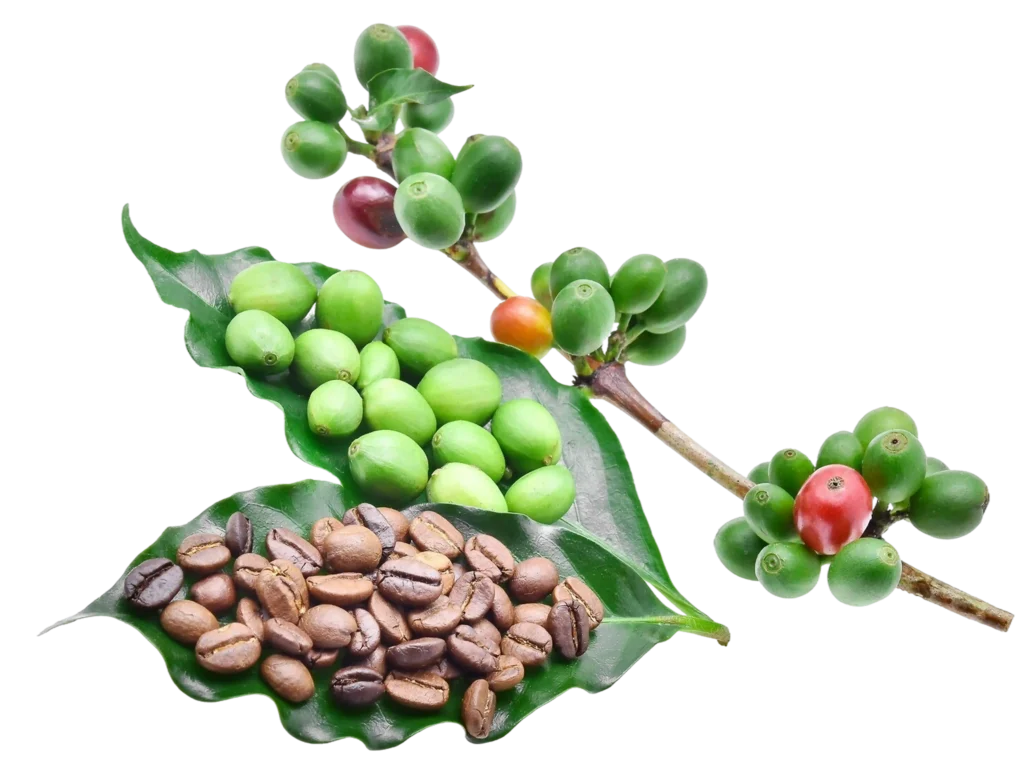
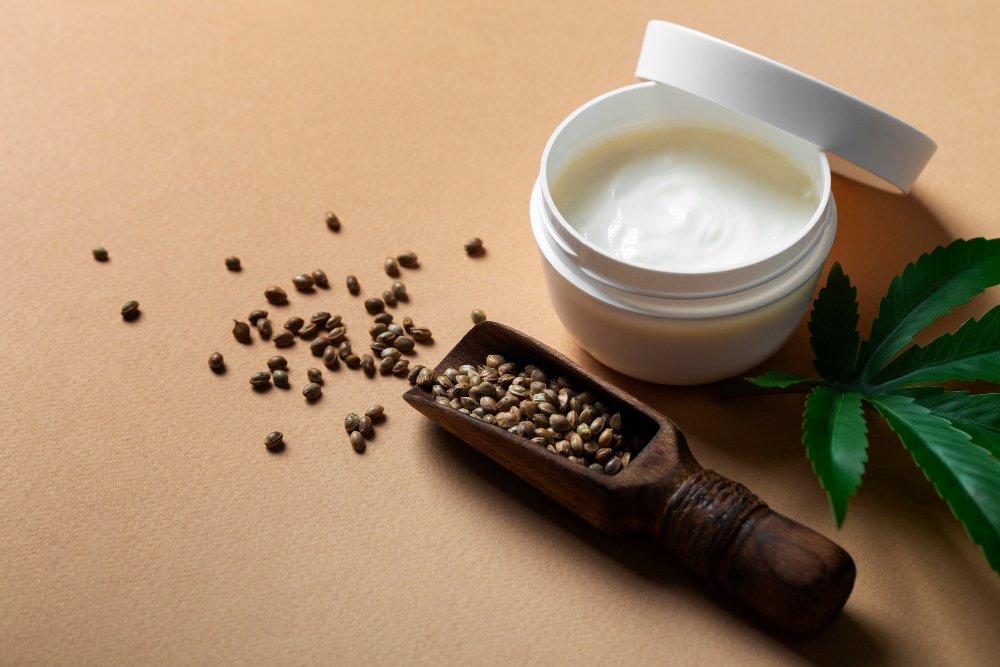
Coffee beauty products combine natural coffee ingredients with cosmetic bases that may contain water, oils, emulsifiers, and active ingredients. Choosing the right preservative helps protect product quality, safety, and shelf life. For manufacturers developing coffee and skincare products, preservation should match the formulation rather than follow one standard approach. If you are developing scrubs, cleansers, masks, or lotions, read on to explore suitable preservative systems and sourcing considerations.
Why Coffee Beauty Products Need Effective Preservation
Effective preservation is essential when coffee beauty products contain water because water supports the growth of bacteria, yeast, and mold. Coffee grounds and extracts are natural ingredients that can introduce microorganisms into a formulation. Shower exposure can also add moisture during use. Without suitable protection, contamination can affect product safety, appearance, smell, and shelf life. The preservative system should therefore match the product’s water activity, pH, packaging, and intended use.
Best Preservatives for Coffee Scrubs
The best preservatives for coffee scrubs depend on whether the formula contains water. Water based and shower exposed scrubs need broad spectrum antimicrobial protection, while anhydrous scrubs mainly need antioxidant protection.
- Anhydrous Scrubs: Water free coffee scrubs generally do not require conventional antimicrobial preservatives. Vitamin E, rosemary extract, and ascorbyl palmitate can help prevent oils from becoming rancid.
- Oil Based Formulations: For oil based scrubs exposed to moisture during use, phenoxyethanol based preservatives or Optiphen Plus may be considered when the formulation contains or can introduce water.
Best Preservatives for Coffee Face Washes and Cleansers
The best preservatives for coffee face washes and cleansers are broad spectrum systems suitable for water based, rinse off formulas. Common options include phenoxyethanol, sodium benzoate with potassium sorbate, and Optiphen Plus.
- Broad Spectrum Preservation: Phenoxyethanol and Optiphen Plus can provide broad microbial protection when used within their recommended formulation conditions.
- Water Containing Formulations: Because face washes contain significant water, they require antimicrobial preservation against bacteria, yeast, and mold. Sodium benzoate and potassium sorbate can be suitable for appropriately acidic formulations.
Best Preservatives for Coffee Creams and Lotions
The best preservatives for coffee creams and lotions are broad spectrum systems designed for water based emulsions. Common choices include Euxyl PE 9010, Liquid Germall Plus, and phenoxyethanol with ethylhexylglycerin.
- Emulsion Preservation: Euxyl PE 9010 and phenoxyethanol with ethylhexylglycerin are commonly used for protecting suitable cream and lotion emulsions from microbial growth.
- Stability Considerations: Liquid Germall Plus can suit compatible water based emulsions, but preservative selection should account for pH, emulsifiers, active ingredients, processing, packaging, and storage conditions.
Factors to Consider When Choosing Preservatives for Coffee Beauty Products
The right preservative depends on the formulation, pH, packaging, shelf life target, and applicable cosmetic requirements.
- Water Based vs Oil Based Formulations: Water based products generally need stronger antimicrobial preservation, while oil based products mainly require oxidation control.
- pH Compatibility: Select a preservative that remains effective within the finished product’s measured pH range.
- Product Shelf Life: Longer shelf life requires reliable preservation, suitable packaging, stability testing, and preservative efficacy testing.
- Natural vs Synthetic Preservative Systems: Natural systems may appeal to clean beauty brands, while synthetic systems often offer broader and more predictable protection.
- Regulatory Compliance: Check permitted ingredients, concentration limits, labeling rules, and local cosmetic requirements before commercial production.
Natural Preservatives Commonly Used in Coffee and Skincare Products
Natural preservation systems can support coffee beauty products, but their effectiveness depends strongly on the complete formulation and testing.
- Leucidal Liquid: A fermented ingredient used in some natural cosmetic formulas, but its antimicrobial performance depends on the formulation.
- Geogard ECT: A broad preservation system used in selected natural and naturally positioned cosmetic formulations.
- Radish Root Ferment: A fermented cosmetic ingredient sometimes used for microbial protection, although performance can vary between formulas.
- Potassium Sorbate Combinations: Potassium sorbate can provide useful protection, particularly in appropriately acidic formulations and when combined with other preservation methods.
- Limitations of Natural Systems: Natural preservatives may have narrower working conditions, so finished products should undergo suitable microbial and preservative efficacy testing.
Synthetic Preservatives Used in Commercial Coffee Beauty Products
Synthetic preservation systems are widely used because many provide reliable protection across different cosmetic formulations when correctly selected and formulated.
- Phenoxyethanol: A widely used cosmetic preservative suitable for many water containing formulations.
- Ethylhexylglycerin: Often used alongside other preservatives to support antimicrobial protection and formulation performance.
- Sodium Benzoate: Useful in appropriately acidic cosmetic formulations and often combined with other preservation systems.
- Potassium Sorbate: Provides antimicrobial protection in suitable acidic formulations and is commonly combined with other preservatives.
- Optiphen: A preservative family used in selected cosmetic products, with the appropriate grade and usage conditions depending on the formulation.
Common Preservatives for Coffee Beauty Products
| Preservative | Type | Commonly Used In | Main Purpose |
| Phenoxyethanol | Synthetic | Face washes, cleansers, creams, lotions | Broad spectrum microbial protection |
| Optiphen Plus | Synthetic | Face washes, scrubs, creams | Protection against bacteria, yeast, and mold |
| Euxyl PE 9010 | Synthetic | Creams, lotions, emulsions | Broad spectrum preservation |
| Liquid Germall Plus | Synthetic | Creams, lotions, water based products | Strong antimicrobial protection |
| Sodium Benzoate | Synthetic | Cleansers, water based products | Microbial protection in acidic formulas |
| Potassium Sorbate | Synthetic | Cleansers, creams, natural formulas | Helps control yeast and mold |
| Leucidal Liquid | Natural | Natural skincare products | Ferment based microbial protection |
| Geogard ECT | Natural derived | Creams, lotions, cleansers | Broad spectrum preservation |
| Radish Root Ferment | Natural | Natural skincare formulations | Supports microbial protection |
| Vitamin E | Natural | Oil based scrubs and formulations | Antioxidant protection against rancidity |
How Long Do Coffee Beauty Products Last?
The shelf life of coffee beauty products depends on the formula, preservative system, packaging, water content, manufacturing process, and storage conditions. There is no single shelf life that applies to every coffee scrub, cleanser, cream, or lotion. Proper stability testing and preservative efficacy testing help establish an appropriate shelf life.
Anhydrous coffee scrubs can have different stability concerns from water based cleansers and emulsions. Products exposed to wet hands or stored in humid bathrooms may face greater contamination risk. Manufacturers should confirm microbial stability before assigning a commercial expiry period.
Why Coffee Quality Matters in Coffee Beauty Products
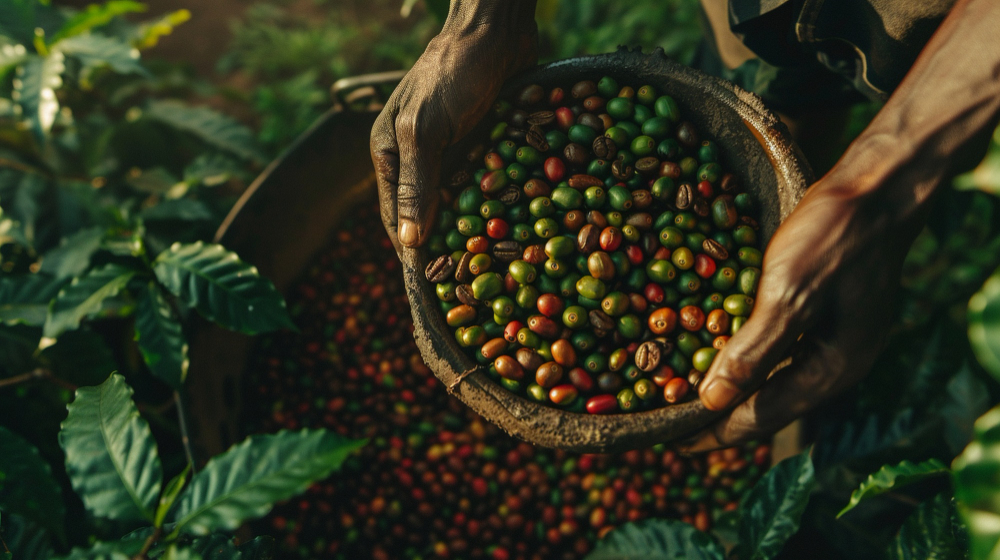
The quality of coffee used in coffee beauty products affects the consistency, appearance, aroma, and overall formulation experience. Clean, properly processed coffee ingredients can provide a more reliable raw material for scrubs, masks, soaps, cleansers, and other cosmetic applications.
For manufacturers, consistent coffee particle size, moisture control, storage conditions, and raw material quality are important during formulation and production. Choosing suitable coffee from a reliable source also supports repeatable batches, especially when purchasing ingredients in bulk for commercial coffee beauty products.
Sourcing Premium Ethiopian Coffee for Coffee Beauty Products
An experienced Ethiopian coffee supplier can provide coffee suitable for cosmetic ingredient manufacturers developing premium coffee beauty products. Specialty grade coffee can be considered for formulations where aroma, quality, origin, and ingredient positioning are important. Depending on processing and specification, Ethiopian coffee may be sourced for scrubs, masks, soaps, cleansers, and other coffee and skincare products. For commercial production, bulk sourcing can provide a consistent supply while allowing manufacturers to establish clear specifications for particle size, moisture, processing, packaging, and batch consistency.
💬 Connect on WhatsApp
Choosing the Right Coffee Supplier for Your Beauty Brand
For commercial coffee beauty products, supplier selection should go beyond coffee origin alone. Look for consistent quality, reliable bulk supply, suitable processing, clear specifications, and the ability to support your required cosmetic application. A dependable Ethiopian coffee supplier like AMG Coffee can help manufacturers source specialty grade coffee for scrubs, masks, soaps, and cleansers while maintaining consistency between batches. This makes the raw material easier to evaluate during formulation, production, quality control, and future product scaling.