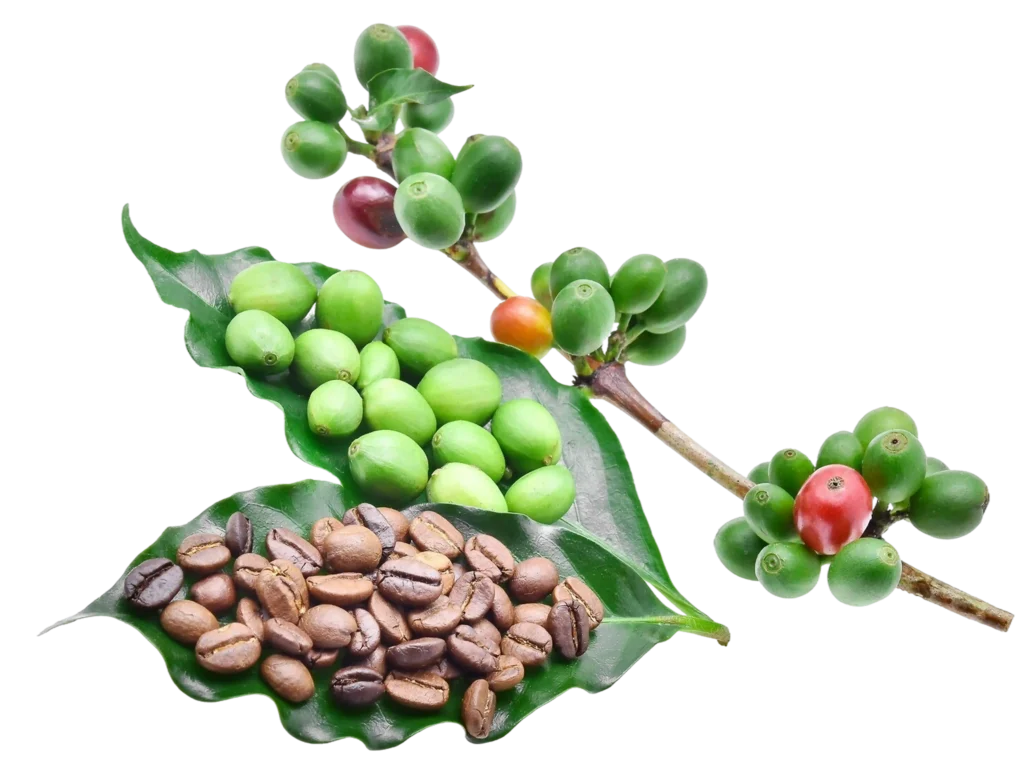

Buying coffee in bulk helps cafes and retailers reduce costs and maintain a steady supply. When done right, it improves consistency, quality control, and overall profit margins. This is why many businesses choose to source wholesale coffee beans regularly.
However, poor sourcing decisions can lead to low quality, a lack of freshness, and inconsistent taste. Choosing the right supplier and understanding key quality factors is important to avoid losses and maintain customer satisfaction.
Cost vs Quality Imbalance in Bulk Purchases
Choosing the cheapest option in bulk coffee purchasing can often lead to lower quality beans, higher defect rates, and inconsistent roasting standards. While the upfront cost may seem attractive, it can negatively affect the overall coffee experience.
This directly impacts flavour and consistency, leading to weak aroma, uneven taste, and reduced customer satisfaction. Reliable suppliers help maintain a better balance between cost and quality through proper sourcing and quality control.
Supplier Selection and Trust Issues
Choosing the right supplier is one of the most important factors in bulk coffee buying. Verified suppliers help ensure consistency in quality, proper sourcing practices, and dependable long-term supply.
Certifications, transparency in sourcing, and clear communication all play a key role in building trust. Without these, buyers risk inconsistent beans, unclear origins, and unreliable delivery standards.
Ignoring Freshness and Roast Information
Freshness plays a major role in coffee quality, and ignoring it can lead to dull aroma and flat, lifeless taste. Stale beans lose their natural oils and complexity, which directly affects the final cup.
Roast dates, proper packaging, and storage conditions are essential to maintain quality. In bulk sourcing, ensuring fresh handling practices helps preserve flavour and consistency throughout the supply chain.
Skipping Sample Evaluation Before Purchase
Skipping sample evaluation before bulk purchase can lead to mismatched expectations and poor product fit. Cupping and tasting help buyers understand the true quality before committing to large orders.
Comparing flavour profiles allows better decisions based on acidity, body, and aroma. This simple step also reduces risk by ensuring the coffee meets quality and market requirements before placing bulk orders.
Overlooking Coffee Origin and Quality Profiles
Coffee origin plays a major role in shaping flavour, aroma, and overall market appeal. Different regions produce distinct profiles that influence customer preference and demand.
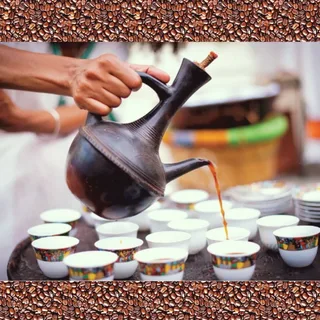
Ethiopian coffee is known for its floral, fruity, and complex taste notes, making it popular in speciality markets. Experienced suppliers from Ethiopia can help buyers choose the right varieties based on quality expectations and target audience.
Poor Storage and Inventory Management
Proper storage is essential to preserve coffee quality after purchase. Factors like temperature, humidity, and airtight packaging help maintain freshness and prevent flavour degradation.
Overstocking can lead to slow rotation and quality loss over time. Effective inventory management ensures that wholesale coffee beans are used within optimal freshness periods, reducing waste and maintaining consistent quality.
Logistics, Shipping, and Order Requirements
Logistics plays a key role in bulk coffee sourcing, especially when dealing with international suppliers. Minimum order quantities can affect how much stock a business needs to commit to at once.
Shipping delays, freight costs, and customs processes can also impact pricing and availability. Proper planning ensures bulk purchases are aligned with demand, reducing risks and maintaining a stable supply chain.
💬 Connect on WhatsApp
Smart Bulk Buying Practices
Smart bulk coffee buying starts with careful supplier verification to ensure reliability, quality standards, and consistent supply. Working only with trusted partners reduces the risk of receiving low-grade or inconsistent beans.
Sample testing is essential to confirm flavour and quality before committing to large orders. Buyers should also compare total landed cost, including shipping and handling, rather than just the base price. Building long-term relationships with dependable suppliers helps ensure stability and better pricing over time.
Tips to Maximise Profit from Bulk Coffee Buying
To improve profitability in bulk coffee sourcing, businesses need to follow smart practices that go beyond just price comparison and focus on long-term quality and efficiency.
- Choose suppliers based on quality consistency, not just price
- Regularly evaluate the performance of wholesale coffee bean suppliers
- Maintain strong relationships with trusted Ethiopian coffee suppliers
- Always compare the total landed cost, including shipping and handling
- Request samples before placing large bulk orders
- Monitor customer feedback to adjust quality or sourcing decisions
- Optimise inventory rotation to reduce waste and maintain freshness
- Align roast profiles with customer preferences and market demand
- Avoid overstocking to prevent quality loss and storage issues
- Focus on long-term supplier partnerships for better pricing and stability
Build a Better Coffee Business with the Right Suppliers
Building a strong coffee business depends on choosing suppliers who deliver consistency, quality, and reliability at every stage. The right partnerships help ensure a steady supply, better flavour control, and improved customer satisfaction over time, especially when sourcing wholesale coffee beans from dependable partners.
Partnering with AMG Coffee Exports gives businesses access to well-sourced coffee, reliable logistics, and a strong focus on maintaining freshness and quality standards. Working with trusted Ethiopian coffee suppliers like AMG helps ensure consistency in every batch, allowing businesses to scale confidently while maintaining premium quality.