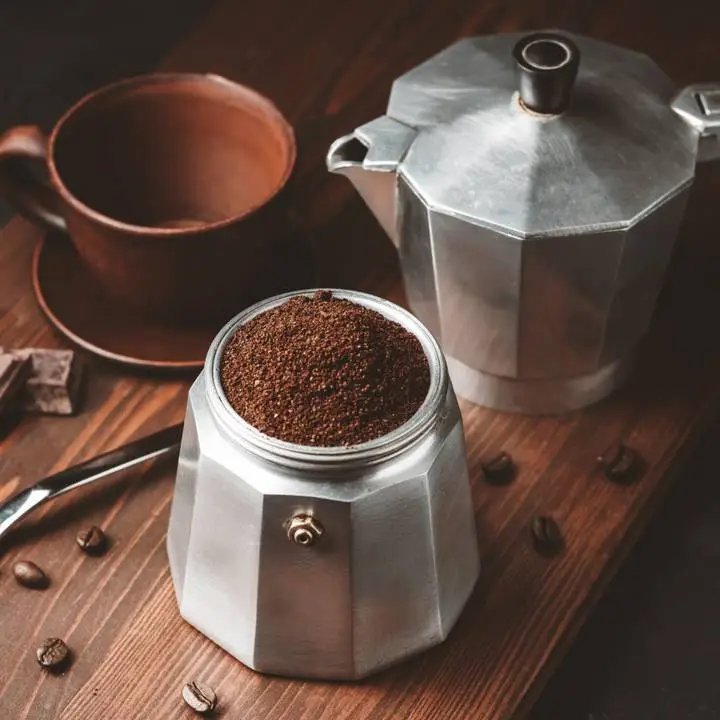


The smell of freshly brewed coffee does more than signal the start of a morning routine. Coffee aroma can influence mood, focus, and relaxation even before drinking it. Scientists have examined how coffee scent interacts with the brain and sensory system, revealing links between aroma, emotional response, and mental alertness. Coffee aroma is also used in aromatherapy practices that support relaxation and energy. Read on to know how coffee aroma works and the benefits it can offer.
Coffee Aroma Meaning
Coffee aroma is one of the most noticeable characteristics of coffee. The scent released during roasting and brewing shapes the sensory identity of coffee and strongly influences how people perceive its freshness, quality, and flavor profile.
What coffee aroma refers to
Coffee aroma refers to the fragrance released when coffee beans are roasted, ground, or brewed. During the roasting process, heat transforms natural compounds inside coffee beans into hundreds of volatile aromatic compounds that evaporate into the air and create the recognizable smell of coffee.
These aroma compounds interact with the olfactory system in the nose, which sends signals to the brain areas responsible for sensory perception and memory. Because smell is closely linked to taste, coffee aroma helps prepare the brain to recognize flavor notes such as chocolate, caramel, fruit, or roasted nuts.
Why coffee aroma is distinctive
Coffee aroma is distinctive because roasted coffee contains a complex mixture of aromatic molecules produced during chemical reactions that occur while roasting green coffee beans. These reactions create layers of fragrance that give coffee its rich and recognizable scent.
Scientists have identified hundreds of aroma compounds responsible for different scent notes. These compounds create a range of fragrances including nutty, smoky, chocolate like, caramelized sugar, and floral tones, which together form the distinctive coffee roasting aroma that many people instantly recognize.
Benefits of Coffee Aroma
Coffee aroma can influence psychological and sensory responses even before coffee is consumed. Research suggests that the smell of coffee can affect mood, alertness, and emotional comfort by stimulating brain areas connected with sensory perception and neurotransmitter activity.
Mood improvement and emotional comfort
The smell of coffee can influence emotional balance because scent signals travel directly to the brain regions responsible for mood regulation and memory. This process may stimulate neurotransmitters such as dopamine and serotonin that contribute to feelings of comfort and positivity.
Many people associate coffee aroma with pleasant routines such as quiet mornings, social conversations, or relaxing breaks. These repeated experiences create positive emotional associations, which explains why coffee fragrance often produces a comforting psychological response.
Improved alertness and cognitive performance
Coffee aroma may increase mental alertness by activating sensory pathways that prepare the brain for caffeine intake. Even without drinking coffee, the smell can trigger expectations of energy and focus, which may improve concentration during cognitive tasks.
Research observations suggest that exposure to coffee aroma can enhance analytical thinking and mental performance. This effect may occur because the scent stimulates brain activity linked with attention, helping people feel more prepared for work or problem solving activities.
Stress reduction and relaxation
The scent of roasted coffee may support relaxation in calm environments because familiar aromas can reduce the perception of stress. Studies suggest that coffee aroma may influence biological markers associated with stress responses and emotional tension.
Coffee smell therapy practices sometimes use roasted coffee beans or coffee aroma oil to create soothing environments. The warm and rich fragrance often encourages relaxation during quiet moments, which explains why coffee scent is commonly associated with comfort.
Sensory stimulation and appetite response
Coffee aroma stimulates the senses and prepares the brain for taste perception before the beverage is consumed. When aroma molecules reach the olfactory receptors in the nose, the brain anticipates flavor and activates digestive responses linked with appetite.
Because smell strongly influences taste perception, the scent released during brewing enhances the overall sensory experience of coffee. This connection explains why coffee aroma plays a major role in shaping how people perceive flavor intensity and beverage quality.
How Coffee Is Used in Aromatherapy
Aromatherapy uses natural fragrances to influence emotional balance and mental clarity through the sense of smell. Coffee aroma has become a popular addition to aromatherapy practices because of its stimulating and comforting fragrance.
Coffee in aromatherapy
Coffee aroma is used in aromatherapy because scent molecules can stimulate the olfactory system and influence brain activity related to mood and energy. Coffee and essential oils are sometimes combined to create fragrance blends designed for relaxation or alertness.
Products containing coffee scented essential oil, coffee bean essential oil, or coffee aroma oil are often used in diffusers and massage treatments. These products are valued for their ability to create energizing environments and enhance emotional comfort.
How coffee aroma supports aromatherapy
The benefits of coffee in aromatherapy are linked to the stimulating effect of roasted coffee fragrance.The scent can promote alertness, reduce fatigue, and support a focused mental state, which makes coffee aroma suitable for work environments or relaxation spaces.
Coffee essential oil benefits include sensory stimulation and mood enhancement. Because the fragrance is warm and familiar, coffee scent is often used in wellness products designed to improve concentration and create a calming atmosphere.
Methods of using coffee in aromatherapy
• Coffee essential oil can be placed in an aroma diffuser to spread coffee scent throughout a room and create an energizing environment that promotes focus and mental clarity.
• Roasted coffee beans or freshly ground coffee can be used for direct inhalation, allowing the natural fragrance to stimulate the olfactory system and support alertness.
• Coffee absolute essential oil blended with carrier oils may be used during massage treatments to provide a stimulating sensory experience that combines fragrance and relaxation.
• Coffee scented essential oil is also used in candles, scrubs, and fragrance products designed to create comforting environments and enhance the aroma of living spaces.
Why Coffee Scent Feels Comforting
The benefits of coffee extend beyond its taste and caffeine content. The aroma of freshly roasted coffee can trigger comfort and familiarity because scent signals are processed by brain regions linked to memory and emotions.
Brain response to familiar scents
When coffee aroma enters the nose, scent molecules interact with receptors that send signals to the olfactory bulb. The olfactory bulb is connected with brain areas responsible for emotion and memory, which explains why certain smells trigger emotional reactions.
Coffee aroma can activate these brain pathways and produce a sense of familiarity and comfort. Because the scent is often linked with positive experiences, the brain interprets the fragrance as a safe and pleasant sensory signal.
Psychological associations with coffee rituals
Coffee drinking is connected with many daily rituals including morning routines, social gatherings, and work breaks. Over time, these repeated experiences create strong psychological associations between coffee aroma and positive emotions.
These associations explain why the smell of coffee can instantly remind people of relaxing environments or productive moments. The scent becomes a sensory signal that reinforces emotional stability and comfort during everyday routines.
Sensory anticipation before drinking coffee
The smell of coffee prepares the brain to experience flavor before the beverage is consumed. Aroma molecules stimulate sensory receptors that signal the brain to anticipate taste and texture.
This process enhances the overall coffee experience because the brain already expects certain flavor characteristics such as sweetness, bitterness, or richness. As a result, coffee aroma significantly influences how people perceive the taste of coffee.
Coffee Aroma and Brain Activity

Coffee aroma interacts with neurological systems responsible for sensory perception and cognitive activity. These interactions can influence attention levels, emotional response, and mental readiness for complex tasks.
Aroma compounds that stimulate the brain
Roasted coffee beans release numerous volatile compounds that travel through the air and stimulate scent receptors in the nose. These receptors transmit signals through the olfactory system to areas of the brain responsible for emotion and cognition.
Because the olfactory system has direct connections with brain regions involved in memory and mood, coffee aroma can influence psychological responses quickly. This direct pathway explains why the smell of coffee often creates an immediate sensory reaction.
Coffee aroma and productivity
Coffee aroma is often associated with productivity because the scent signals the brain to expect caffeine stimulation. This expectation can increase alertness and create a mental state that supports concentration during demanding tasks.
Research observations suggest that exposure to coffee aroma may improve performance during analytical tasks by encouraging focus and mental engagement. The scent therefore becomes linked with work efficiency and cognitive activity.
Antioxidant and protective responses
Some experimental studies involving animals suggest that roasted coffee aroma may activate genes associated with antioxidant proteins. These proteins help protect cells from stress related damage.
Although more research is needed to confirm similar effects in humans, these findings suggest that coffee aroma may influence biological processes beyond simple sensory perception and may contribute to protective physiological responses.
How to Experience Coffee Aroma for Relaxation and Focus
The strength and quality of coffee aroma can be enhanced when it is intentionally used as part of sensory relaxation or aromatherapy practices. Certain methods allow the fragrance of coffee to stimulate the olfactory system more effectively.
Experience coffee aroma through scent exposure
• Freshly roasted coffee beans release aromatic compounds that can fill a room with fragrance, making them useful for natural scent therapy and mood stimulation.
• Coffee aroma diffusers using coffee scented essential oil can spread the fragrance evenly in indoor spaces and create an energizing environment for focus or relaxation.
• Inhaling the scent of freshly ground coffee beans can stimulate the olfactory receptors and produce a quick sensory response that supports alertness.
Create a coffee inspired sensory environment
• Coffee aroma oil or coffee bean essential oil can be used in diffusers to maintain a steady fragrance throughout a room.
• Coffee scented candles or aroma lamps can provide a slow release of coffee fragrance during relaxation or meditation.
• Placing roasted beans in small containers around a room can help maintain a natural coffee scent without brewing coffee.
Can Coffee Aroma Improve Mood Without Drinking Coffee
Coffee aroma can influence mood and mental alertness even without caffeine consumption. This effect occurs because scent signals stimulate emotional and cognitive pathways within the brain.
Psychological effect of coffee scent exposure
Exposure to coffee aroma can create a psychological expectation of energy and alertness. The brain associates the scent with caffeine stimulation, which may improve mood and mental readiness.
Because scent is processed quickly by the brain, the smell of coffee can create an immediate emotional response. This response may include increased motivation, improved mood, and a sense of mental clarity.
Coffee fragrance used in spaces and products
• Coffee scented essential oil is used in candles and diffusers to create energizing environments in homes, cafés, and relaxation spaces.
• Coffee bean essential oil and coffee aroma oil are used in fragrance products designed to recreate the scent of freshly roasted coffee.
• Essential oils and coffee blends are sometimes combined with scents such as vanilla or citrus to produce balanced fragrances used in wellness products.
Coffee Aroma and Everyday Wellness
Coffee aroma is more than a pleasant scent associated with a popular beverage. The fragrance released during roasting and brewing stimulates the senses, influences mood, and activates neurological responses connected with focus and emotional comfort.
Because the sense of smell is closely linked with memory and mood regulation, coffee aroma plays a meaningful role in sensory wellness and aromatherapy practices. Whether experienced through freshly brewed coffee or fragrance products such as coffee essential oil, the scent continues to provide stimulation, relaxation, and a familiar sense of comfort.
Experience Premium Coffee Aroma with AMG Coffee
The quality of coffee aroma begins with the quality of the beans. At AMG Coffee, we export carefully selected premium coffee beans sourced from high altitude growing regions known for their rich aroma profiles and balanced flavor characteristics.
Our beans are processed and packed with strict quality standards to preserve natural aromatic compounds that define the fragrance of freshly roasted coffee. This ensures that cafés, roasters, and coffee brands receive beans that deliver consistent flavor, freshness, and strong sensory appeal.AMG Coffee supplies top grade coffee beans for international markets, helping businesses create exceptional coffee experiences with beans known for their vibrant aroma and quality.